
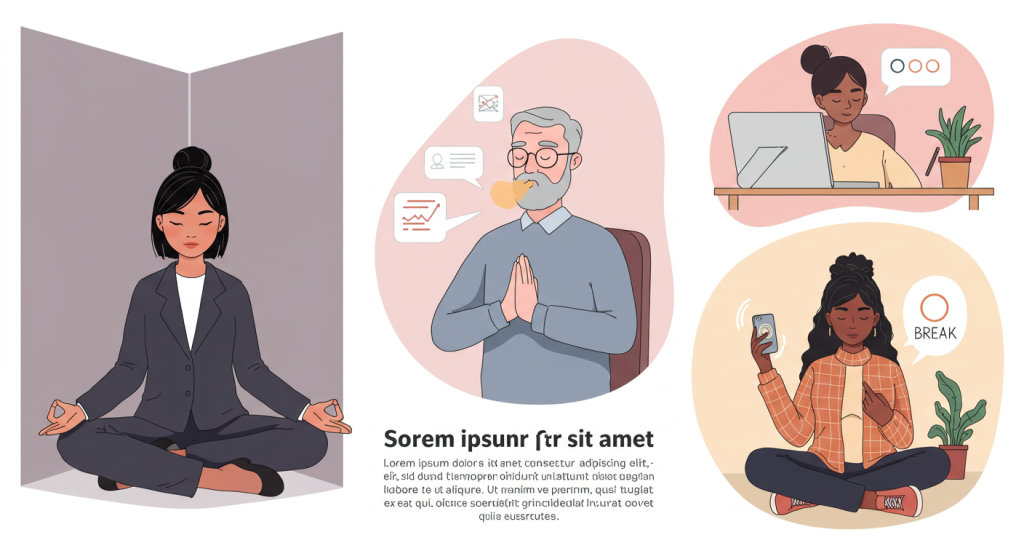
Burnout is a growing concern across many industries, and its impact on individual well-being and organizational performance is significant. While the Mayo Clinic notes that burnout is not classified as a medical condition (source), its consequences can be far-reaching―leading to decreased productivity, reduced morale, and the potential loss of valuable talent.
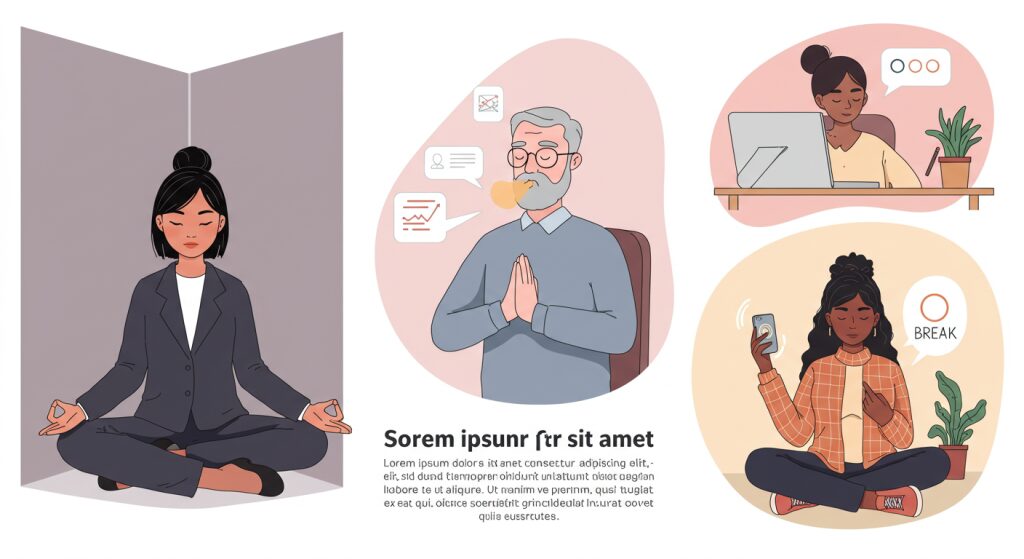
There are many proven strategies to help prevent burnout, including maintaining a healthy work-life balance, setting clear boundaries, managing workloads effectively, and taking regular breaks. However, in my two decades of experience working at the intersection of high-tech and wellness―as a Feng Shui Master, Energy Healer, Hypnotherapist, and Aromatherapist―I’ve found that incorporating mindfulness and stress management into daily routines is essential for sustaining high performance and mental resilience.
Many of my clients are high achievers, entrepreneurs, and senior executives. What follows are three fundamental techniques I often share with them―practical tools that anyone can integrate into their day-to-day lives to manage stress, enhance focus, and prevent burnout.
1. Master the Art of Conscious Breathing
One of the most overlooked yet powerful tools for stress management is proper breathing. Under stress, many people unconsciously hold their breath or breathe rapidly and shallowly―often without realizing it. Becoming aware of your breath is the first step toward calming the nervous system and reconnecting with your body.
Try this simple technique:
Inhale gently to a count of five ― “1, 2, 3, 4, 5.â€
Exhale slowly to the same count ― “1, 2, 3, 4, 5.â€
As you breathe, focus on the air filling your belly and leaving your body through your mouth. This rhythmic breathing helps you release physical tension and become more attuned to how your body responds to stress. Over time, you may notice that this awareness alone is enough to ease discomfort and restore balance.
2. Cultivate Mental Awareness and Perspective
Our thoughts and perspectives play a major role in how we experience stress. The energy we project―through our mindset, beliefs, and inner dialogue―can either uplift or deplete us. A pessimistic outlook often leads to emotional fatigue, whereas an optimistic and grounded mindset can be a powerful source of resilience.
Take a few moments each day to observe your thoughts. Are they helpful, hopeful, and constructive? Or are they critical, fear-based, or draining? Becoming mindful of your inner dialogue enables you to consciously reframe negative beliefs and align your thinking with clarity and intention.
3. Be Mindful of Your Environment
Human beings are, in essence, energetic beings―we both influence and are influenced by the environments we inhabit. On a fundamental level, everything from our surroundings to our interactions carries energy. This includes the electromagnetic fields associated with our bodies and the energy fields of the spaces we occupy.
Your physical workspace and home environment can have a significant impact on your mental and emotional state. A cluttered, poorly lit, or emotionally tense environment may contribute to stress and disengagement. In contrast, environments that are clean, spacious, well-lit, and aesthetically pleasing promote clarity, creativity, and emotional well-being.
Investing in your physical space―whether through simple adjustments like improving lighting and ventilation or fostering more harmonious interpersonal dynamics―can pay dividends in both productivity and morale.
Preventing burnout isn’t just about reducing workload or taking occasional breaks―it requires a holistic, proactive approach to self-awareness and environment. By incorporating mindfulness, intentional breathing, and thoughtful reflection into your daily routine, you create a sustainable foundation for focus, performance, and well-being.
Leaders who encourage these practices within their teams not only safeguard their people but also cultivate a healthier, more resilient organizational culture.

 English